
It’s alarming to see your dog salivating or drooling more than usual, especially if the saliva seems to pour from their mouth or drip constantly.
While some drool is normal, excessive salivation—also called ptyalism—can indicate an underlying issue.
We outline the common reasons why a dog may excessively salivate, what you can do, and when to seek veterinary care.
Table of Contents
Dog Excessively Salivating — Why It Happens
Excessive drooling in dogs can result from oral pain, nausea, anxiety, toxins, or underlying diseases. Dental infections or foreign objects lodged in the mouth can trigger extra salivation.
Dogs who feel nauseated or are about to vomit may also drool heavily. Emotional stress or fear can cause panting and salivation, particularly during thunderstorms or car rides.
In more serious cases, toxic exposure, liver disease, or neurological disorders may be to blame.
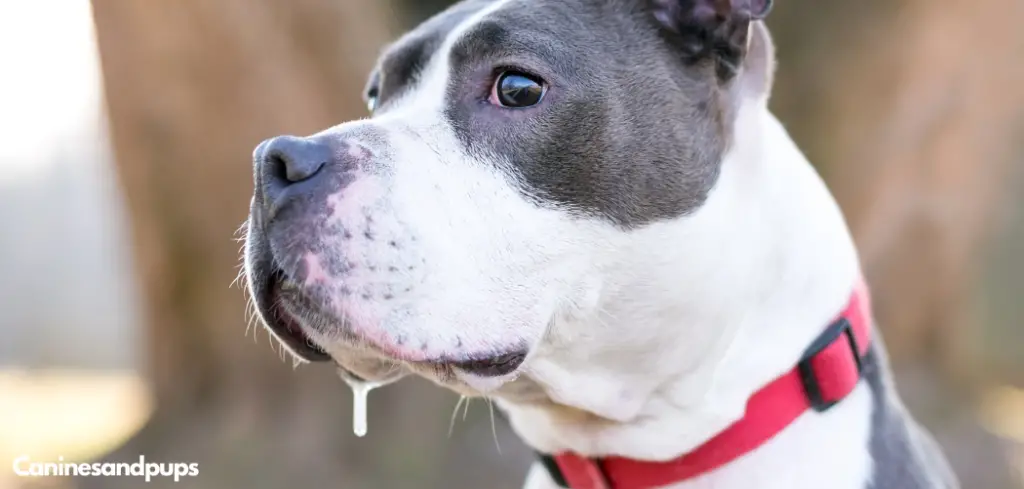
Excessive salivation in dogs: Symptoms
Excessive salivation in dogs can present with thick, ropey, or foamy saliva, sudden or constant drooling, frequent lip licking, and repeated swallowing or gulping.
You may notice drool dripping from the mouth, soaking bedding, or a strong foul odor from the saliva.
Some dogs paw at their mouth or face, struggle to eat, or drop food while chewing. Nausea-related signs such as restlessness, gagging, or lip smacking are common, and in more serious cases, excessive salivation may be accompanied by behavioral changes like lethargy, anxiety, or confusion.
Dog drooling thick saliva
Thick or ropey saliva in dogs usually indicates dehydration, nausea, dental disease, or irritation in the mouth or throat.
It can also occur when a dog has swallowed something irritating, has gum infections, tooth decay, or oral ulcers.
In some cases, thick saliva forms when a dog is nauseous and preparing to vomit. If the drooling is persistent, foul-smelling, or accompanied by pawing at the mouth, difficulty eating, or behavioral changes, a veterinary exam is recommended.
Dog Excessively Salivating: Common Causes
Dental Disease
Dental problems are one of the most common causes of excessive salivation in dogs.
When a dog has gingivitis, broken teeth, or an abscess, the irritation in their mouth can lead to constant drooling.
You may notice foul breath, difficulty chewing, pawing at the mouth, or visible tartar.
Pain in the gums or around the teeth can cause your dog to drool continuously, especially when eating or trying to chew.
In advanced cases, untreated dental infections can lead to systemic illness, so early diagnosis is crucial.
Related: Dog panting excessively and drooling (What’s normal and what’s not)
Nausea and Gastrointestinal Upset
When dogs feel nauseated, they often begin drooling excessively.
This can be a precursor to vomiting or a sign of motion sickness. Some dogs drool in the car before they ever vomit.
Nausea can stem from many issues, including dietary indiscretion, stomach infections, or more serious conditions like pancreatitis.
Look for other signs like lip licking, restlessness, or a refusal to eat. If diarrhea or vomiting follows, GI illness may be the cause.
Foreign Object in the Mouth
A stick, bone shard, or toy part can get stuck in your dog’s mouth or throat and cause intense salivation.
If your dog is drooling, pawing at the mouth, or struggling to close it properly, inspect their mouth carefully (if safe to do so).
Dogs may try to rub their faces on the ground or appear panicked.
Objects wedged between teeth, under the tongue, or in the throat should be removed promptly by a vet to prevent injury.
Anxiety or Stress
Emotional triggers like fear, stress, or overstimulation can lead to drooling.
Dogs with separation anxiety, phobias (like thunderstorms), or stress from unfamiliar environments may drool more than usual.
This type of salivation often occurs alongside other behaviors like pacing, panting, shaking, and clinginess.
Although less dangerous than medical causes, chronic anxiety can degrade quality of life and may require behavior modification or medication.
Toxic Exposure
Some toxins cause excessive salivation almost immediately after ingestion.
This includes plants like sago palm, household cleaners, slug bait, or even toads in some regions.
If your dog suddenly begins drooling, especially with vomiting, tremors, or lethargy, suspect poisoning and seek urgent care.
Other signs may include dilated pupils, foaming at the mouth, seizures, or collapse, depending on the substance involved.
Related: Dog drooling and lethargic (What it means)
Liver or Kidney Disease
Diseases that affect the liver or kidneys can lead to nausea and toxin buildup in the blood, which in turn causes excessive drooling.
Chronic kidney disease or liver failure may cause intermittent or constant ptyalism.
You may notice weight loss, increased thirst, vomiting, or foul-smelling breath. These conditions are serious and require veterinary intervention to manage symptoms and prolong life.
Dog salivating excessively suddenly
Sudden excessive drooling is often a sign of acute nausea, stress, poisoning, heat exposure, or oral pain.
Dogs may salivate heavily after ingesting something bitter, toxic, or irritating, including certain plants or chemicals.
Motion sickness, anxiety, or sudden gastrointestinal upset can also trigger rapid drooling. Because some causes—such as toxin exposure or heatstroke—can be serious, sudden unexplained drooling should always be taken seriously.
Read more: Dog excessively drooling suddenly (Why it happens)
Dog excessive salivation and swallowing
Excessive salivation combined with frequent swallowing is most often a sign of nausea or irritation in the mouth, throat, or stomach.
Dogs may swallow repeatedly to clear excess saliva when they feel sick, have acid reflux, or are preparing to vomit.
It can also be caused by dental pain, a foreign object lodged in the throat, or exposure to something bitter or toxic.
If this behavior lasts more than a short period or is paired with restlessness, lip licking, or vomiting, veterinary attention is advised.
Old dog salivating excessively
Excessive drooling in senior dogs is commonly linked to dental disease, oral tumors, infections, or age-related neurological changes.
Older dogs are more prone to tooth root abscesses, gum disease, and reduced swallowing efficiency, all of which can increase saliva production.
Chronic illnesses such as kidney or liver disease may also cause nausea and drooling. Persistent drooling in an older dog warrants veterinary evaluation, even if other symptoms seem mild.
Read more: Old dog drooling (What’s causing it?)
Dog salivating excessively at night
Nighttime drooling can occur due to nausea, acid reflux, dental discomfort that worsens when lying down, or anxiety.
Dogs with gastrointestinal issues may salivate more while resting, especially if stomach acid builds up overnight.
Dental pain can also become more noticeable at night when there are fewer distractions. If nighttime drooling is frequent, paired with lip licking, swallowing, restlessness, or appetite changes, it may indicate an underlying health issue that needs attention.
Dog excessively salivating while sleeping
Drooling during sleep can be normal for some dogs, especially breeds with loose lips, but excessive salivation while sleeping may indicate dental disease, nausea, or difficulty swallowing.
Lying down can worsen acid reflux or cause saliva to pool in the mouth, leading to drooling.
In senior dogs, it may also point to reduced muscle control or neurological changes. Persistent or worsening nighttime drooling should be evaluated by a veterinarian.
My dog is drooling and acting strange
Drooling accompanied by unusual behavior—such as confusion, pacing, lethargy, trembling, or hiding—can signal a serious problem.
Possible causes include poisoning, severe pain, heatstroke, neurological issues, or acute illness.
Behavioral changes alongside excessive salivation are a red flag and should be treated as urgent, especially if symptoms appear suddenly. Immediate veterinary care is recommended in these situations.
What to Do If Your Dog Is Excessively Salivating
Start by observing your dog calmly and checking their mouth for obvious problems.
If your dog allows, gently open their mouth and look for foreign objects, cuts, or swollen gums. Be cautious—pain may cause them to react defensively.
Offer fresh water and monitor for signs of nausea or vomiting. If your dog is drooling in a car or during thunderstorms, try to remove the trigger or use calming techniques.
Avoid giving human medications. If your dog is otherwise acting normal and the drooling resolves within a few hours, it may have been a minor irritant.
However, if drooling persists or other symptoms appear, call your vet.
When to Call or Visit Your Vet
Contact your vet promptly if you notice any of the following:
Sudden, severe drooling without explanation.
Signs of pain or difficulty swallowing.
Vomiting, diarrhea, or lethargy.
Facial swelling or bleeding from the mouth.
Ingestion of a known toxin.
If your dog’s excessive salivation continues for more than a few hours or worsens, a medical issue may be the root cause.
Prompt treatment can prevent complications and provide relief for your dog.
Read more: Dog drooling due to stress (Why it happens)
Key Takeaway
Excessive drooling in dogs can be distressing to witness, especially if it comes on suddenly or is accompanied by other symptoms.
Check your dog’s mouth, watch for signs of nausea or toxin exposure, and remove any environmental triggers you can.
When in doubt, a veterinary visit is the best way to rule out serious causes and get your pup feeling better.
Your dog’s comfort and safety come first—trust your instincts and act quickly if something feels off.